7 Mistakes You’re Making with NIL Compliance (and How to Fix Them)
- Anthyun Mask
- Mar 26
- 5 min read
Let’s be real for a second: the Name, Image, and Likeness (NIL) era is the best thing to happen to college sports since the invention of the forward pass. Finally, athletes can get paid for the hard work they put in both on and off the field. But here’s the catch, with great power comes a whole lot of paperwork and a ton of rules that seem to change every other Tuesday.
At One Touch NIL Group, we see it all the time. An athlete lands a dream deal with a local brand, posts a quick video on Instagram, and thinks they’re set. Then, a week later, they’re sitting in a compliance meeting wondering if they’ve accidentally forfeited their eligibility.
Compliance isn't exactly the "fun" part of being a star athlete, but it is the most important part. If you don't stay compliant, the deals stop, and your playing career could be on the line. To help you navigate the "Wild West" of sports marketing, we’ve put together the seven most common mistakes we see athletes (and their parents) making, and, more importantly, how to fix them before they become a problem.
1. Not Reporting Your Deals (The $600 Rule)
This is the number one mistake we see, and it's usually because athletes simply don't know the rules. Many student-athletes assume that if it's a small deal or a "trade" (like free gear or food), they don't need to tell anyone.
The Mistake: Failing to disclose your NIL contracts to your school or the designated clearinghouse. The Fix: As of late 2025, the rules have gotten a lot more specific. Student-athletes must report all non-institutional NIL contracts with a total value of $600 or more to a designated NIL clearinghouse. Even if the deal is under that amount, your specific school likely has its own reporting requirements.
Always, always, always disclose. Most schools have an online portal for this. If you’re unsure, check our NIL Ready Checklist to make sure you have your reporting bases covered.
2. Ignoring the "Fine Print" on Brand Rights
We get it, when a brand slides into your DMs with a contract, the first thing you want to look at is the dollar sign. But what happens after you sign?
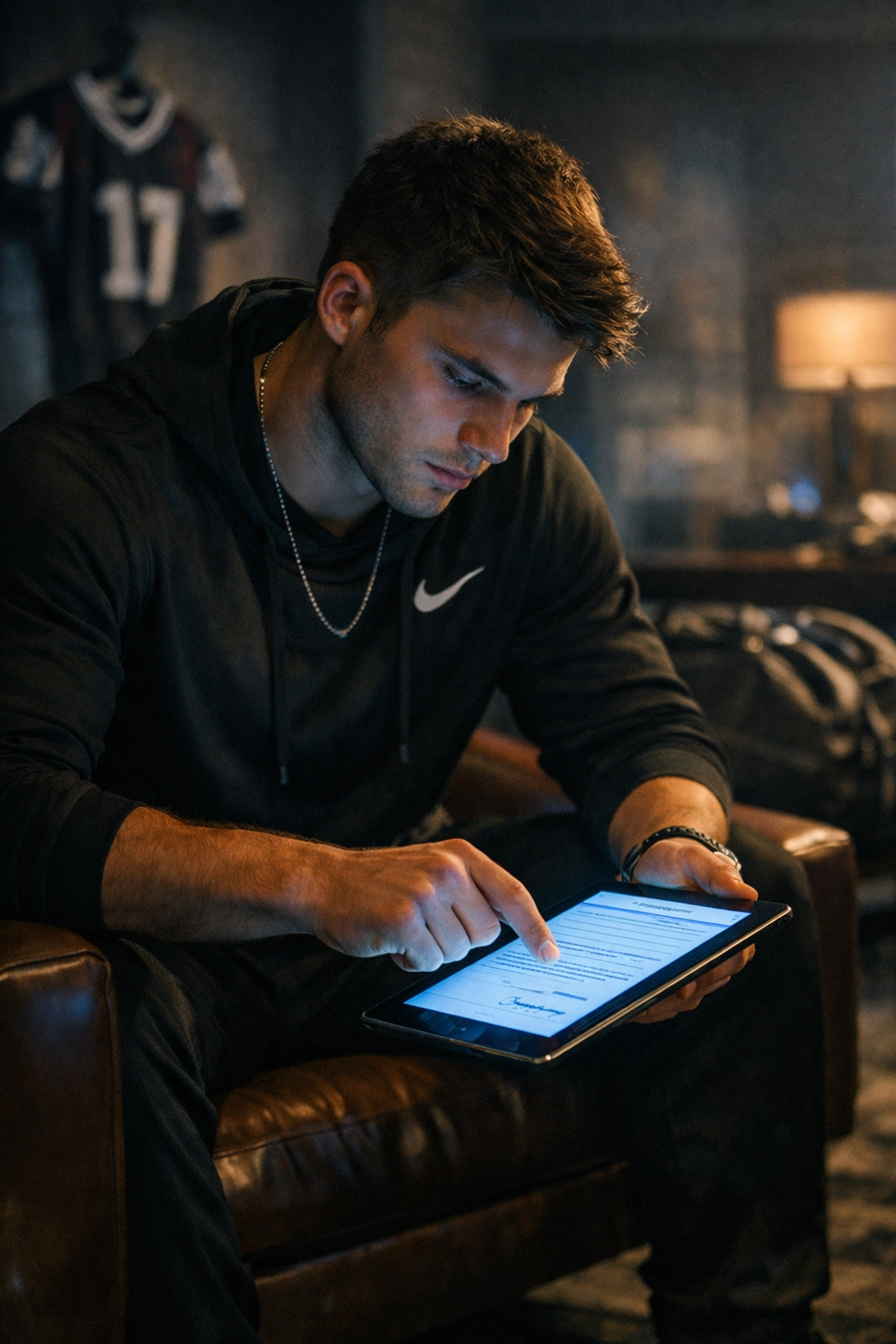
The Mistake: Giving up too much control over your brand or signing away your rights for too long. Some contracts include "perpetual" clauses, meaning the brand can use your face on their ads forever, even after you’ve gone pro and signed a multi-million dollar deal with a competitor. The Fix: Read every single word. Look for terms like "exclusivity" (which might stop you from working with other brands) and "usage rights." If a contract says they own your content forever, it’s time to renegotiate. You are your own CEO; don't sell the company for a one-time check.
3. Forgetting the FTC (The #Ad Problem)
Compliance isn't just about the NCAA or your high school athletic association; it’s also about federal law. The Federal Trade Commission (FTC) is very serious about how influencers, yes, that’s you: promote products.
The Mistake: Posting a photo with a product you were paid to promote without clearly stating it’s an advertisement. The Fix: This one is an easy fix, but so many athletes forget it. You must include clear disclosures like #ad, #sponsored, or use the "Paid Partnership" tool on Instagram and TikTok. If you don't, you’re not just breaking school rules: you’re breaking federal law. It has to be clear and "above the fold," meaning people shouldn't have to click "more" to see that you were paid to post it.
4. High Schoolers Playing by College Rules
This is a huge pitfall for our younger stars. Just because your favorite college quarterback is doing a national TV commercial doesn't mean you can do the same while you're still in high school.
The Mistake: Assuming NIL rules are the same across the country. Currently, only about 20 states allow high school athletes to profit from NIL without losing their eligibility. The Fix: Before you take a single dime or a free pair of sneakers, you need to check your specific state’s high school athletic association rules. Some states are very progressive, while others will ban you from the playoffs the moment you sign a deal. If you're a parent of a high-schooler, this is where you need to be the most "locked in."
5. The "Tax Trap"
Nothing ruins the excitement of a $10,000 NIL deal like a massive tax bill at the end of the year that you can't afford to pay.
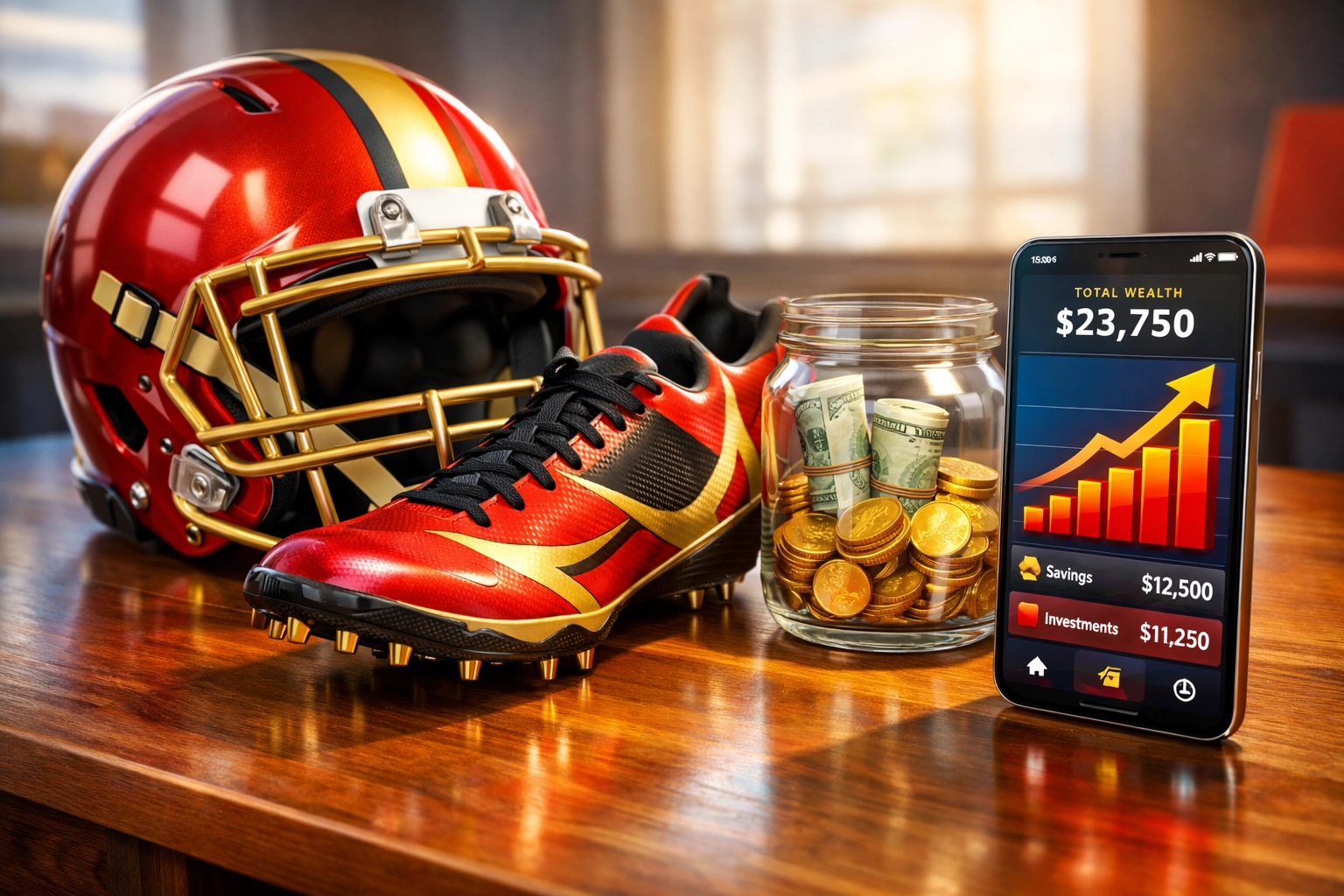
The Mistake: Treating NIL money like a gift rather than income. When a brand pays you, they aren't taking taxes out of your check like a 9-to-5 job would. You are essentially an independent contractor. The Fix: Set aside 25-30% of every single dollar you make into a separate savings account. You’ll thank us in April. If you're making significant money, it's worth talking to a professional at One Touch NIL Group or a tax advisor to make sure you're filing correctly. Remember, Uncle Sam always gets his cut.
6. Clashing with University Sponsors
This is a "rookie mistake" that can lead to some very awkward conversations with your coaches.
The Mistake: Signing a deal with a brand that competes with your school’s major sponsors. If your school is an "Adidas school," and you show up to a team event decked out in a personalized Nike deal you signed on the side, you’re going to have a problem. The Fix: Check your school’s "Conflict of Interest" policy. Most athletic departments prohibit athletes from promoting brands in certain categories (like gambling, tobacco, or alcohol) or from wearing competing gear during team activities. Always ensure your personal deals don't bite the hand that feeds your scholarship.
7. Deals Without "Fair Market Value" (Pay-to-Play)
The NCAA is very clear: NIL is supposed to be a payment for a service (your brand), not a "thank you" for scoring three touchdowns or a bribe to commit to a specific school.
The Mistake: Accepting "Pay-to-Play" deals or recruiting inducements. If a booster offers you $50,000 just to sign with a school, but you don't actually have to do any social media posts, appearances, or work for it, that’s a major red flag. The Fix: Every deal must have a "valid business purpose." This means you actually have to do something: make a post, sign some jerseys, or show up at a store opening. Make sure your contract clearly outlines what you are doing in exchange for the money. If the deal seems too good to be true and involves zero work, it’s probably a compliance nightmare waiting to happen.
How to Stay "NIL Ready"
The NIL landscape is shifting every single day. Between new federal legislation and updated NCAA memos, it’s a lot for any one athlete to handle while also balancing practice, film study, and, you know, actually going to class.
The key to success isn't just being talented; it's being organized. You need a system to track your deals, a way to vet your contracts, and a clear understanding of your state’s laws.
At One Touch NIL Group, we’ve helped countless athletes navigate these exact pitfalls. We believe that every athlete deserves to maximize their value without the constant fear of a compliance violation. That’s why we created the NIL Ready Checklist. It’s a simple, step-by-step guide that helps you and your parents ensure that every deal you sign is legal, reported, and profitable.
Don't let a simple mistake ruin your season. Be proactive, stay educated, and always read the fine print. If you ever feel overwhelmed, you can find more resources and expert advice at www.onetouchnilgroup.com.
You handle the game. Let us help you handle the business. Stay legendary!
Comments